Tag Archives: mercy

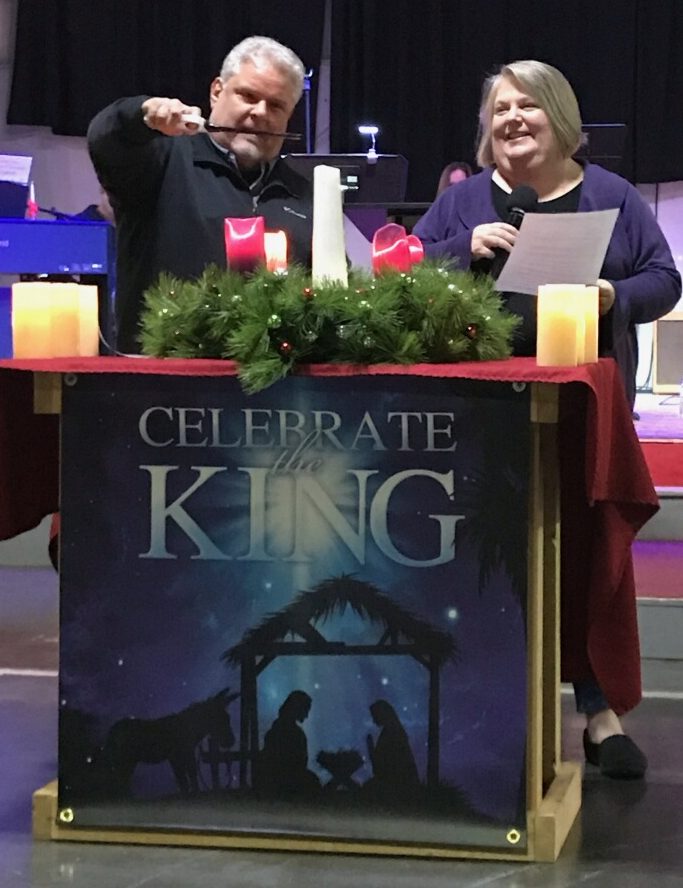
Surprised by an Angel… and the Call to Tell the Story!

Nearly everyone loves to hear a good story. Movies, novels, poems, and digital versions of it all, invite us to become a part of the action or the suspense, or the romance, or the journey. Most stories we read or watch or listen to come and go. They may touch us or speak a bit; but they are easily filed away somewhere dusty and hard to find. Some stories are grab our hearts and our imagination. We identify with the people or the crisis they face and how they survive.

Then, there is the story that comes along once in a lifetime. Not only does it capture our imagination – it changes our lives. We look back on this rare story, the characters and what they experienced, and we realize that what happened meets us right where we live, it changes how we see life, and that story redefines who and, more importantly, why we are.

That’s the story the sheepherders found themselves a part of over 2000 years ago on the hillside overlooking the town of Bethlehem. Luke 2:1-20 are the verses that, surprisingly, make up an assignment my high school teacher at NMBHS way back when had me memorize and recite (yes, that was another day.)

It’s the story of Joseph and his betrothed wife Mary, their trek to Bethlehem, the birth of God’s one and only son, Jesus, and a bunch of unwary sheepherders who became a part of the Story of stories.

1At that time the Roman emperor, Augustus, decreed that a census should be taken throughout the Roman Empire. 2(This was the first census taken when Quirinius was governor of Syria.) 3All returned to their own ancestral towns to register for this census. 4And because Joseph was a descendant of King David, he had to go to Bethlehem in Judea, David’s ancient home. He traveled there from the village of Nazareth in Galilee. 5He took with him Mary, to whom he was engaged, who was now expecting a child. 6And while they were there, the time came for her baby to be born. 7She gave birth to her firstborn son. She wrapped him snugly in strips of cloth and laid him in a manger, because there was no lodging available for them.

This baby, who is both King and Savior, was born in perhaps the most available and approachable place in the town – in a stable around the corner from a hostel, just shouting distance from the streets of the town. God chose to send His Son, fully human and fully God, to be born where word would get out. And this prepared the town for what happened next. And, this is when the sheepherders are invited into the story.

8That night there were shepherds staying in the fields nearby, guarding their flocks of sheep. 9Suddenly, an angel of the Lord appeared among them, and the radiance of the Lord’s glory surrounded them. They were terrified, 10but the angel reassured them. “Don’t be afraid!” he said. 

The Good New story met the sheepherders right where they lived. And it began with the herders who drew the night watch. While their partners caught up on sleep, an angel appeared right in the middle of their conversations. And this angel had just come from the presence of the Father to bring the news about the Son. And the glory of God remained.

And they were terrified. They were used to fighting off wild animals or climbing down the cliffs to rescue a lamb. But, an angel! How many times in the Bible did God show up through His presence, through a vision, or through an angel’s visit – They were scared beyond words. And the answer: Don’t be scared! God met these sheepherders right where they lived.

  11 “I bring you good news that will bring great joy to all people. 11The Savior—yes, the Messiah, the Lord—has been born today in Bethlehem, the city of David! 12And you will recognize him by this sign: You will find a baby wrapped snugly in strips of cloth, lying in a manger.”

If the angel’s visit was at first terrifying, the message that he brought was liberating. As good Jewish sheepherders, they heard this message through all they knew about Lord God of Israel.

  • Good news means freedom.
  • Messiah and Lord means salvation.
  • And if you throw in King David, they understood they would be God’s people again, under the rule of His King.

The message from the throne room of God through this single angel literally changed who they were. Sure, they remained sheepherders. But this Good News brought the promise of…

  • Peace that comes with freedom from the oppression of the enemy.
  • Hope that comes with the promised Messiah.
  • Celebrative Joy that comes with being together as God’s people ruled by His King.

And whether in response to the Good News being proclaimed on the hillside or in response to the faith and joy of the shepherds, the worship of the heavens broke through into the physical realm, and…

13Suddenly, the angel was joined by a vast host of others—the armies of heaven—praising God and saying, 14“Glory to God in highest heaven, and peace on earth to those with whom God is pleased.”

This was more than the sheepherders could contain and, by now they were all together on the hillside echoing the same rejoicing. They had to see it for themselves.

15When the angels had returned to heaven, the shepherds said to each other, “Let’s go to Bethlehem! Let’s see this thing that has happened, which the Lord has told us about.” 16They hurried to the village and found Mary and Joseph. And there was the baby, lying in the manger. 17After seeing him, the shepherds told everyone what had happened and what the angel had said to them about this child. 18All who heard the shepherds’ story were astonished, 19but Mary kept all these things in her heart and thought about them often. 20The shepherds went back to their flocks, glorifying and praising God for all they had heard and seen. It was just as the angel had told them.

There in a stable for animals, the greatest expression of God’s love slept. The message propelled the shepherds to check it out for themselves and discover if the Good News was really the Good News. And it was. And it changed both who and why they were. They had to tell others and fanned out through the streets of the town telling anyone they saw that Jesus, the Messiah, the Lord and King was born – in a stable, just around the corner, right where anyone could find Him.

The Good News met the shepherd right where they lived, and the truth of the message of Christmas transformed who they were and became the reason for why they lived. God’s great Story intersected their story and surprised them and transformed them.

  • This Christmas – surprise you with His peace, His love, His joy, His hope. He is God near to us.
  • His Good news meets us where we do life.
  • He invites you to approach Him, come to him – with fears, with broken plans and promised, with empty and dead spots in our lives.
  • And he speaks to you right now – no fear except the awe of a Savior with unchangeable love, no loneliness or emptiness because he fills us and comes close, no dead spots because he brings life and mercy.

Welcome again to the Story. Praying it intersects your story frequently in 2020!
“… I’ve never seen so many…”

When the doctors and their team working in Liberia during the height of the 2014 Ebola epidemic saw the damage the disease caused, one reportedly said “I’ve never seen so many bodies.” One doctor was in charge of gathering and disposing of those who died from the disease; he and his team worked tirelessly to serve the Liberians by helping them through the collection and, with a respectful process, cremation of their dead.

Stephen Rowden was a first time volunteer with Doctors without Borders; his team processed between 10 and 25 cremations a day in Monrovia as the work sought to contain the epidemic to the region. He said his team of 36 have shown no signs of the disease even though they worked in such proximity to the dangers of the contagion.

When ask about his motivation, Dr. Rowden confessed that he is “a practicing Christian” who finds support and “strength from his faith and family.”

Since the first centuries of Christianity, those who follow Christ run toward the danger, the tragedy, the hurt… even the contagion, while most flee. From the Antonine Plague in the mid-100’s that wipe nearly 25% of the Roman Empire into eternity and those many epidemics that followed, Christ-followers sought to stay and help and serve…and suffer, in order to live a life that gives credit to the Good News and the love and power of God.

While many might say that Christianity was established in the empire because of edits, it really spread as a revolution of love, sacrifice and suffering. We run toward the need, even if the rest are running away.

Dr. Rowden captures this kind of faith through his actions.

Live sacrificially,

Rick

(Thanks to a great NPR interview by  at https://www.npr.org/2014/10/09/354890862/in-collecting-and-cremating-ebola-victims-a-grim-public-service and Baker Book called Restoring All Things: God’s Audacious Plan to Change the World through Everyday People by Stonestreet and Smith.)


Do I know you?

I’m seeing doppelgangers.  Every time I go out, at least the past few days, I’ve seen people I know.  Yesterday, I saw Danny DeVito. Today, I saw Robb, a guy who went with me on my first Italy mission trip (he was a clown, really, literally, a clown – but today, he was normal.)

My step-mother-in-law showed up a lot in the piazzas of Padova. But, then again, there are a lot of little old ladies (sorry, Eleanor) in Italy. They are outspoken. I had one get nose-to-chin with me for carrying shopping bags home one Sunday. She said her piece fast and with many gestures and grimaces. I think she told me it was a holy day and I couldn’t shop for more than one bag full (I had two.)

This doppelganger issue must mean something. I miss home. And people. Don’t get me wrong; I love my city and the people we get to meet with and share life with. The work with our new Fellowship is invigorating. But, I hit a spot in my year where I need my culture and my people.

It means something else, too. Cultures, languages, habits, gestures, colors and shades, all may be very different; still, we’re the same in far many ways than exterior admits. We all need respect, acceptance, love, forgiveness, kindness, and especially a person who will listen.

I’ve got to go – I think I just saw Abe Vigoda.

Still Listening,

Rick

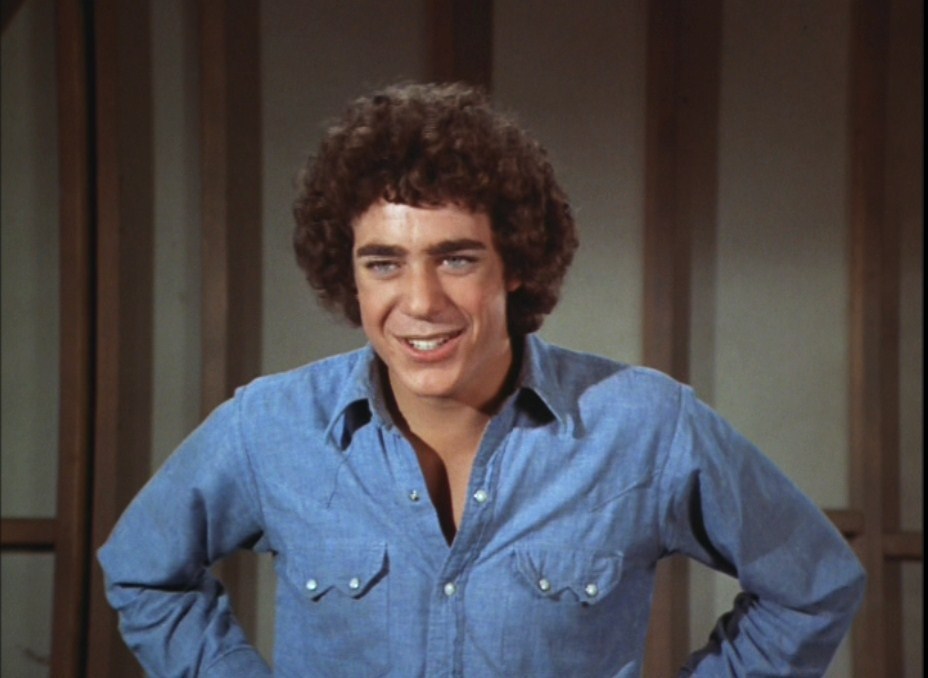
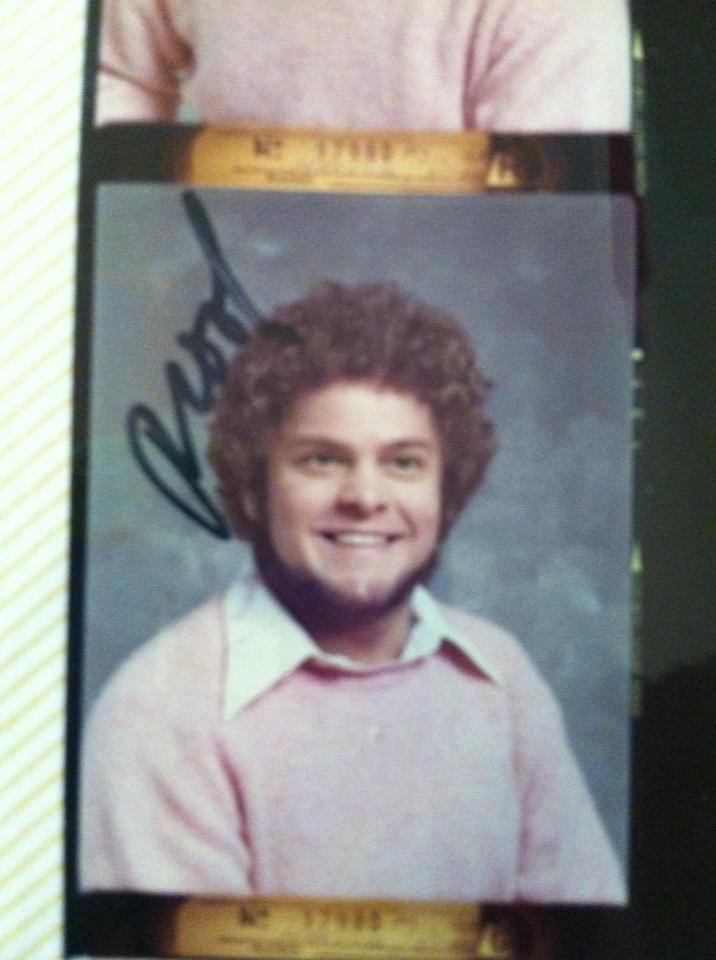
Some people say I have a doppelganger (I’m not so sure):


It helps to point…

My wife has, for years, accused me of running out of words before the day ends. I get 3000 words, no less, no more, and none bankable. According to her. If I use them up, she can’t pry more than a syllable from me in the evening. I wonder if I work this way.

The more important question is: do I get 3000 in English, and 3000 in Italian? And if I screw up the Italian words (it can happen), do I get a redo?

Someone gave me a bike a few days ago. The chain was off, no lights, and one side of the gears was wonky. A new bicycle mechanic hung out his shingle two blocks down just last week, so I rolled into his shop yesterday. Disclaimers here:

#1 – I had probably used up all my Italian words at Monday’s Italian class (and I needed to borrow from tomorrow for the Bible study I led that Tuesday night (it’s complicated.)

#2 – I don’t speak “bicycle.” These are words that haven’t come up between “Piacere. Mi chiamo Rick” and “Dov’e’ il bagno.

#3 – My trusty standby – “Parli Inglese?” didn’t work on this 70-year-old bike mechanic.

Il Maestro di Biciclette” wheeled it into his back room, hung it on the shop rack. He tugged me over to watch. He pointed. I only understood three words (out of at least 300) – “catena ha caduto” or “the chain has fallen.” He pointed.

Then he tinkered with the gears on the right. After another 300 words, I heard “buona.” He pointed. I smiled, “funziona?” Back at me, “Si.”

He wiggled the left gears. He pointed. Another torrent and I heard “rotto” (I remember, rotten, for “broke.”) I grimaced, “non funziona?” “Si.”

After he worked some magic with the chain, he pulled it down from the rack. I asked him if it was a good bike. He pointed. He said, okay, but it’s older than me. We laughed together. I asked, “how much?” (I’m in the “Italian zone” by now.) He ignored me and handed it off. And I pedaled away toward the next challenge.

I’m glad to learn “catena e’ caduto” – reminds me that, for the Christian, the chains have fallen, they are “rotto” (in a good way.)

Two “take-aways” – it helps to point, and Italian men are gracious – and they get more than 3000 words.

Alla prossima volta,

Rick

No Muck, no Miracle

I grew up two blocks from the famous “Grand Strand” of the South Carolina beaches, and just across our street stretched a long finger of marsh from the tides toward the inland highway. Its where we hunted for small bait (we called them fiddler crabs, since they “fiddled” their way sideways across the sand). I remember stepping into the mushy, wet sands and sinking down past my ankles. I can still hear the sucking sounds as I dislodged my feet from the muck! (My brothers, always encouraging, informed me there were hidden stretches of quicksand nearby waiting to gobble little boys whole.)

The psalmist writes that he found himself in “the slimy pit” and waited patiently for God’s clear path toward a firm footing (and everyone knows from the movies never to struggle in quicksand since it makes for a speedier demise.) He was stuck in the “mud and the mire” with no footing below and no way forward. And he did what any of us would do – he cried out, “help!”

We love the promises! When God gives a promise in the Bible, it nearly always is in the context of dire circumstances. Try a search on Top 10 promises and read them in context. God promises he will be near, that he never changes, he will strengthen us, uphold us, bless the work we do, save us, pour out his grace, and give us wisdom. The promises are truth, yes, but they are delivered in the quicksand of loneliness, pain, threats, fear, sin, hopelessness, and grief.

Today, and all week, my prayers have turned to a family I knew, worshiped with, and served alongside back in the states. The godly couple stood strong as an example of servanthood, leadership, and self-sacrifice. And they were lost to a careless driver’s bad choices this week. And there are kids, friends, church family, and more left behind.

In our hurt and in our prayers, we ask God to hear the cries that arise from the slow murkiness of grief. We ask him to provide a moment of firm footing in the midst of the swirl of questions. We ask Jesus to stretch out his hand and pull His kids back up onto the Rock.

It’s interesting what happens when the psalmist finds his footing in the Lord. Not only does he stand firm, but he breaks into song. Not a song from the canon of worship already learned and enjoyed. But, one that brings new comprehension of how much God cares and how near he is. It’s a new song, fresh from the experience of God’s provision and presence. And, through it all, as we wait, as we cry out, and we reach out for his presence, the psalmist says “many will see and fear the Lord and put their trust in him.”

On solid rock.